Why motel hotel conversions are accelerating for premium travelers
Motel hotel conversions heading into 2026 mark a decisive shift in how a roadside property is financed, branded, and ultimately experienced by guests. Across the United States, owners of aging motels and hotels are leaning into conversion and adaptive reuse because the economics of new construction rarely match the speed of repositioning an existing building. For travelers, that means more polished rooms, more recognizable hotel brands, and fewer truly anonymous highway stops.
Industry trackers such as Lodging Econometrics have reported thousands of U.S. hotel projects in the construction pipeline in early Q1, with hundreds of thousands of hotel rooms planned or underway and a meaningful share positioned in the luxury tier, although headline figures like 2,118 projects can fluctuate by quarter and methodology. Within that construction pipeline, motel-to-hotel conversions sit alongside new hotel construction as a faster way to bring inventory to market, especially when renovation costs per key are materially lower than ground-up building costs per square metre of usable space. Owners know that a well executed hotel conversion will often unlock better rental rates, stronger returns, and access to loyalty driven demand that independent properties struggle to capture, with some reports suggesting conversion cap rates can compress by 50 to 100 basis points once a flag is in place.
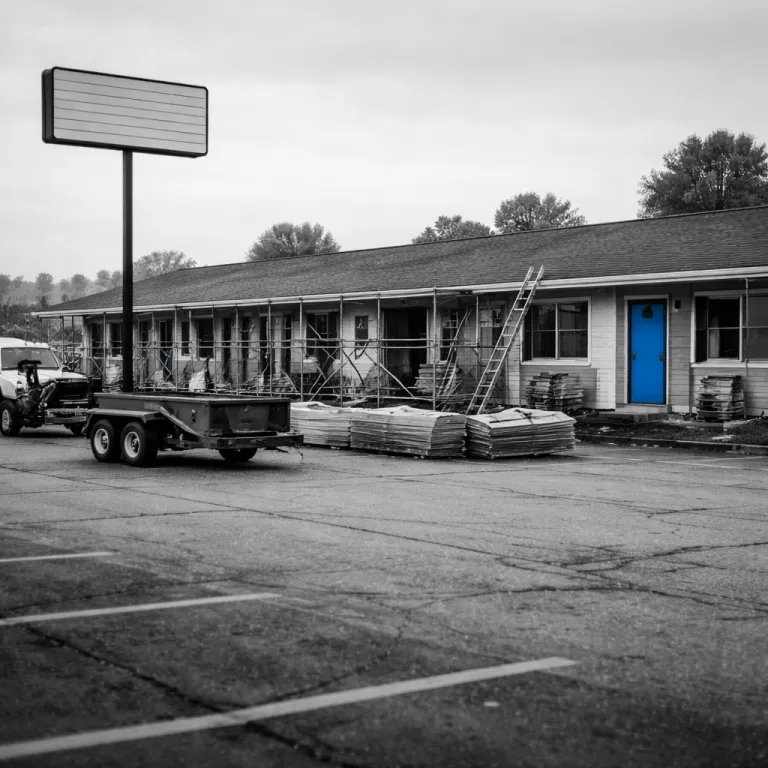
On the ground, properties such as the All Inn Hotel in Denver illustrate how a neglected roadside inn can be reimagined as a 54 room urban retreat without losing its parking lot convenience or neon sign charm, while still operating within a renovation budget that can sit in the range of $25,000 to $40,000 per room depending on scope. In San Diego, the Baby Grand concept leans into motel inspired design with custom wallpaper, antiques, and sculptural furnishings, while Hotel Willa in Taos turns a 1940s motor court into a Southwestern heritage stay that still feels like a roadside stop rather than a generic city hotel. For readers comparing options, a refined guide such as the one to staying at Park Motel in Denison on a curated motel travel site shows how a carefully selected roadside property can rival many traditional hotels for comfort and character.
From highway corridors to housing: where conversions are changing the map
The most intense wave of motel hotel conversions in 2026 runs along classic highway corridors where land is expensive but the existing building stock is plentiful. In Florida, for example, real estate investors in Boca Raton are looking at older hotel buildings near the Rio Trail and arterial roads, asking whether they should convert hotel assets into long stay hotel apartment products or even full apartment style housing. Similar questions are being asked around legacy Holiday Inn properties, where a familiar roadside hotel can either be refreshed for premium holiday traffic or repositioned as affordable housing with self contained, extended stay rooms.
One of the most closely watched projects is the planned conversion of the Stewart Hotel in New York by Slate Property Group, widely reported as a large scale effort to create hundreds of affordable apartments to address a chronic housing shortage, though final unit counts and timelines can shift as approvals evolve. This kind of hotel to apartment conversion shows how a single property with many former hotel rooms can quickly add housing units without the long lead times of new construction, often delivering several hundred apartments in a two to three year window instead of the four to six years typical for a comparable ground-up tower. For travelers, it means that some older hotels will simply vanish from booking engines, while the remaining hotels in a corridor may skew more luxury, with higher rental rates and more polished amenities than the previous year.
Urban cores are not the only stage; secondary cities and suburban nodes near interstates are also seeing hotel construction and conversion projects that blur the line between lodging and housing. In Boca and other Sun Belt markets, groups of investors are weighing whether rooms will generate better returns as nightly hotel stays or as compact apartments rented by the month, often running side by side scenarios on occupancy, average daily rate, and stabilized yield. For solo explorers planning a road trip through New York, Florida, or the Southwest, curated resources such as a Motel BK refined stays guide for Brooklyn and beyond on a specialist motel platform help identify which converted hotels still feel like motels and which now operate more like serviced apartments.
What travelers gain and lose when motels become branded hotels or housing
For guests, the appeal of motel hotel conversions in 2026 lies in the trade off between character and consistency. When an independent roadside property joins a major hotel group through a brand conversion, travelers gain loyalty points, standardized safety protocols, and clearer expectations about room size measured in square feet, bedding, and amenities. At the same time, some conversions sand down the quirks that made a motel memorable, replacing idiosyncratic signage and local art with brand standard décor that could sit in any city.
Economics drive many of these decisions: owners face rising renovation costs, insurance premiums, and labour expenses, so affiliating with a brand can feel safer than remaining a mom and pop operation. Lodging Econometrics and similar firms track these shifts for senior vice presidents and vice presidents of development who decide whether to convert hotel assets, keep them independent, or exit entirely, and their data shows a rapid pace of brand changes across the country rather than a single static headline number. As one industry explainer puts it, “What is a hotel-to-apartment conversion? Transforming existing hotels into residential apartments.”
For travelers who value authenticity, the key is to look past the logo and read how a property handles its motel bones, from the parking layout to the way rooms open to the outside. Some converted hotel apartment projects keep the classic drive up format but upgrade soundproofing and finishes, while others enclose walkways and shift the feel toward an urban apartment building that mainly serves long term housing needs. Guides to elegant motels in Nashville for a refined yet relaxed stay on a dedicated motel review site show how certain conversions manage to balance affordable nightly rates, a sense of place, and the practical comforts that road trippers expect when they pull in late and need a clean, quiet room without fuss.