Explore the key differences between motels and hotels, including amenities, services, cost, and booking tips for luxury and premium stays. Make informed travel choices.
Structural distinctions: How motels and hotels shape your travel experience
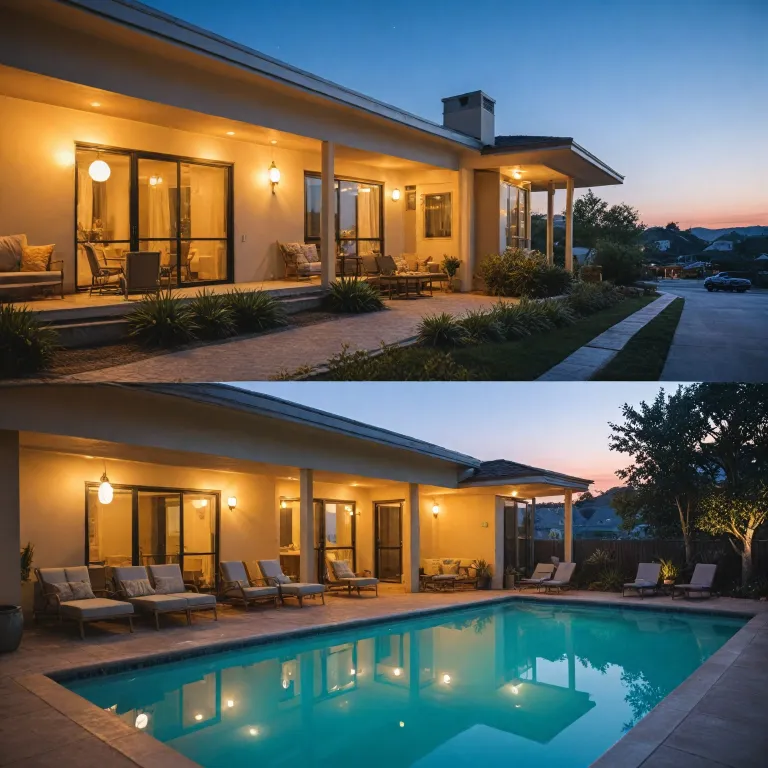
Motels and hotels each present unique architectural designs that directly influence the guest experience. Hotels typically feature multi-storey buildings with interior corridors, providing enhanced privacy and security for travelers. In contrast, motels generally offer ground-level rooms with exterior entrances, making them ideal for those seeking easy access to their vehicles and a swift check-in process. This structural difference hotel enthusiasts notice is especially relevant for road trips and short stays, where convenience and accessibility are paramount. Motels offer parking directly outside the room, a feature that appeals to business travelers and families alike. Hotels, on the other hand, often provide a grand lobby, elevators, and a variety of room types, catering to those who prioritize amenities and a more formal atmosphere. The choice between a motel hotel or a hotel motel stay often comes down to the type of journey and the level of comfort convenience desired. For travelers comparing hotels motels, understanding these key differences helps in making ideal accommodation decisions that align with their expectations and travel style.Amenities and services: What to expect from your stay
Amenities play a crucial role in defining the guest experience at both motels and hotels. Hotels typically offer a comprehensive range of amenities including fitness centers, pools, on-site dining, and room service, making them suitable for longer stays and travelers seeking a full-service environment. Motels, by contrast, generally focus on essential amenities such as free parking, Wi-Fi, and sometimes complimentary breakfast, prioritizing budget friendly and efficient stays. The difference hotel guests notice most often is the level of service; hotels offer concierge desks, laundry services, and business centers, while motels typically provide self-service options. For those seeking comfort convenience, hotels motels each have their strengths: motels offer quick access to rooms and facilities, while hotels provide a broader array of amenities include spa treatments and meeting rooms. When evaluating accommodations, consider which amenities are most important for your trip. For a detailed comparison of luxury and premium booking options, visit our in-depth guide to premium motel and hotel amenities. This will help you assess the services and facilities that best match your travel needs, whether you are planning a short stay or an extended visit.Target audience and travel purpose: Matching stays to traveler needs
The choice between a motel and a hotel often depends on the traveler’s purpose and expectations. Motels typically attract road travelers, business travelers on tight schedules, and those seeking budget friendly accommodations for short stays. Their locations along major roads and highways make motels ideal for road trips, offering easy access and quick check-ins. Hotels, conversely, cater to a broader spectrum of guests, including families, leisure travelers, and those attending conferences or events. Hotels offer a range of room types and services, making them suitable for both short and extended stays. The key differences in target audience reflect the difference hotel and motel structures bring to the guest experience. Motels offer simplicity and efficiency, while hotels provide a more comprehensive suite of services and amenities. For more insights on how to choose the right accommodation for your travel style, explore our expert recommendations on matching stays to traveler needs. Understanding these distinctions ensures that your choice of inn, hotel, or motel aligns with your expectations for comfort, convenience, and value.Cost considerations: Budget friendly options and value for money
When comparing hotels motels, cost is a significant factor for most travelers. Motels generally offer lower nightly rates, with the average cost per night at a motel being 80 USD, compared to 150 USD for hotels. This price difference hotel guests encounter is primarily due to the range of amenities and services provided. Motels typically focus on essential accommodations, making them budget friendly and appealing for short stays or road trips. Hotels, with their extensive facilities and services, justify higher rates by offering added value through amenities include pools, fitness centers, and room service. For business travelers and families seeking comfort convenience, the decision often comes down to balancing budget and desired amenities. Motels offer straightforward pricing and fewer additional fees, while hotels may include resort charges or parking fees. To maximize value, assess the total cost of your stay, including any extras that may enhance your experience.Location and accessibility: Choosing the right place for your journey
Location is a critical factor in the motel vs hotel decision, especially for travelers with specific itineraries. Motels are generally situated along major roads and highways, offering easy access for motorists and those embarking on road trips. This makes motels ideal for travelers seeking quick stops or overnight stays during long journeys. Hotels, on the other hand, are often located in city centers, near airports, or close to major attractions, catering to guests who prioritize proximity to business districts, entertainment, or cultural sites. The difference hotel and motel locations can make is substantial, influencing not only convenience but also the overall travel experience. Motels offer the advantage of direct parking and minimal walking distance to rooms, while hotels provide access to public transportation and urban amenities. When planning your trip, consider the location in relation to your activities and the level of accessibility you require. This ensures that your choice of accommodations supports a seamless and enjoyable stay, whether you are traveling for business or leisure.Booking platforms and the evolution of luxury and premium motel stays
The rise of digital booking platforms has transformed how travelers select and reserve hotels and motels. Luxury and premium booking websites now offer curated selections of motels hotels, highlighting properties that deliver exceptional amenities, services, and value. These platforms enable travelers to compare accommodations based on key differences such as amenities include, location, and price, making ideal choices easier than ever. Motels have evolved to meet the demands of discerning guests, with some offering upgraded rooms, enhanced facilities, and personalized services. Hotels continue to innovate by integrating technology and sustainability practices, ensuring that both types of accommodations remain competitive. As the hospitality landscape shifts, travelers benefit from greater transparency and choice, allowing them to find the perfect balance of comfort convenience and budget friendly options. "The main difference lies in their structure and amenities; hotels are larger with interior room access and more amenities, while motels are smaller with exterior room access and basic amenities." This expert insight underscores the importance of understanding the difference hotel and motel offerings when booking your next stay.Key statistics: Motel vs hotel accommodations at a glance
- Average cost per night at a hotel: 150 USD
- Average cost per night at a motel: 80 USD
Frequently asked questions about motels and hotels
What is the main difference between a hotel and a motel?
The main difference lies in their structure and amenities; hotels are larger with interior room access and more amenities, while motels are smaller with exterior room access and basic amenities.
Are motels cheaper than hotels?
Generally, motels are more budget friendly than hotels due to their limited amenities and services.
Do motels offer amenities like hotels?
Motels typically offer basic amenities such as free parking and Wi-Fi, but lack the extensive services found in hotels, like on-site restaurants and fitness centers.
Sources: KAYAK, Hospitality industry reports, Travel and tourism organizations.