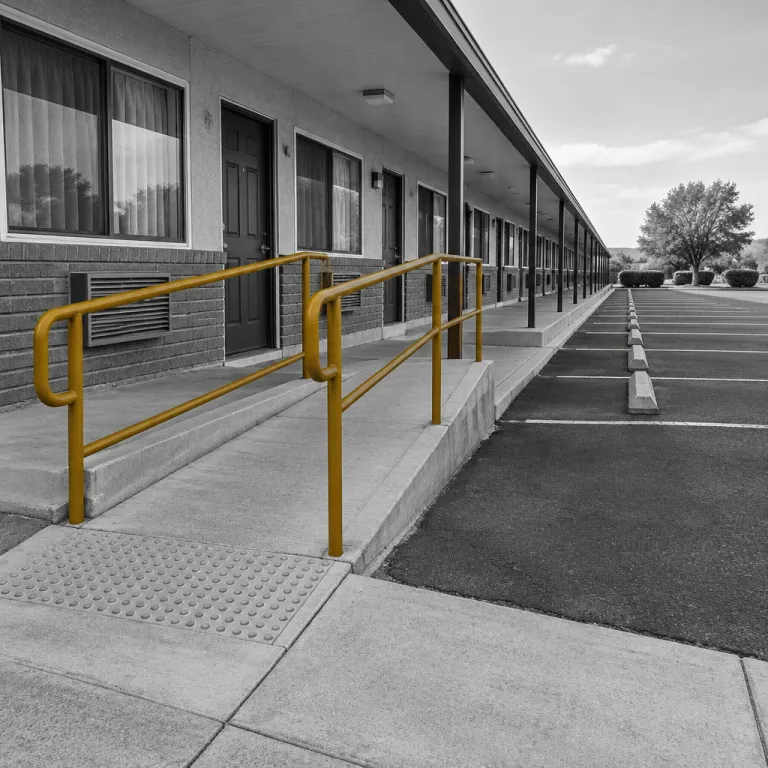
Why ground floor motels change accessible travel for families
For many guests with disabilities, planning an accessible motel stay on the ground floor starts long before check in. A one story layout with parking directly outside the door removes the elevator dependency that can turn a simple hotel night into a difficult, almost impossible obstacle course for wheelchair users and older relatives. When you add children, luggage and mobility equipment, that short roll from car to an accessible room becomes the quiet luxury that tower hotels rarely match.
In a well designed accessible hotel, the ground floor is not the leftover inventory; it is prime real estate for people with disabilities who value proximity and predictability. Parents can unload a power wheelchair, stroller and bags without navigating ramps, lifts or crowded lobbies, which means the first hotel room moments feel calm rather than chaotic. For multigenerational travel, this format lets grandparents, disabled siblings and kids share the same row of rooms while each person keeps the level of independence that makes a family trip sustainable.
The structural advantage is simple yet profound for travelers who rely on step free access. Step free entries, minimal corridor distances and clear sightlines from parking to rooms reduce the number of things that can go wrong when fatigue or pain already limit energy. When you are choosing between hotels, that humble strip of asphalt outside a ground floor door can matter more than any lobby chandelier or rooftop bar.
What an accessible motel room should really offer on the ground floor
Labels can mislead, so any search for an accessible motel room on the ground floor has to go beyond a single checkbox on a booking engine. A true accessible room on the ground floor starts with a door wide enough for a wheelchair, a threshold that does not catch small front casters and a layout that lets guests turn without scraping knuckles on furniture. Families should expect accessible rooms that place the bed, bathroom and storage within easy reach rather than forcing people with disabilities to navigate a maze of décor.
Inside the hotel room, the bed frame and mattress height matter as much as the mattress brand, because bed heights that are too tall can make safe transfers difficult or impossible for wheelchair users or guests recovering from surgery. As a practical guide, many accessibility standards, including the 2010 ADA Standards for Accessible Design in the United States and similar codes in other regions, suggest door widths of at least 32 inches (about 81 cm) clear and turning circles close to 60 inches (around 1.5 m) in diameter. Clinical guidance from rehabilitation therapists often recommends bed heights in the 18–23 inch (46–58 cm) range from floor to top of mattress to support safer lateral transfers. Look for hotel rooms with space under at least one bed frame so a portable hoist can slide in, and ask whether the room will include clearance on both sides of the bed for carers. In the bathroom, a roll shower or roll in shower with a level entry, sturdy grab bars and a handheld shower head turns a basic wash into a safe, dignified routine rather than a daily problem to solve.
Families should also think about how an accessible hotel supports sensory comfort on the ground floor, not just physical access. A calm room view away from the ice machine or highway can help autistic guests or light sleepers rest, while blackout curtains and quiet HVAC units keep the space restorative. For more on how motels are reimagining wellness, from soundproofing to pools, see this guide to the motel as a wellness retreat, then apply the same lens to your own accessible motel choices.
How to verify accessibility details before you book a motel
Successful planning for an accessible motel stay on the ground floor starts with precise questions, not vague requests. When you contact hotels directly, ask the front desk or reservations team to answer questions with measurements, not just assurances that a room will be fine. You want to know door widths, exact bed heights from floor to top of mattress, and whether the roll shower truly has step free access or hides a small lip that becomes a problem for a manual or power wheelchair.
Request recent photos of the specific accessible rooms on the ground floor, including the bathroom, bed frame clearance and any grab bars near the toilet and shower. Clarify whether the accessible room is near an accessible parking space, and whether the route from car to door is fully wheelchair accessible without steep slopes or loose gravel. If you rely on a power wheelchair or travel with multiple mobility devices, confirm that hotel rooms have enough turning radius so wheelchair users can move without rearranging half the furniture.
Premium families booking through a curated platform such as motel-stay.com can use filters and notes to help the next traveler find the right room fit. Detailed reviews that mention how an accessible room felt in real use, not just on paper, are gold for people with disabilities planning wheelchair travel with kids or older parents. For an example of how premium roadside stays are being reimagined with this level of detail, explore how Siesta motel stays are reimagined for comfort and effortless booking and apply that same scrutiny to accessibility features.
Who benefits from ground floor motel access beyond wheelchair users
The advantages of ground floor motel access extend well beyond full time wheelchair users. Older guests with limited stamina, parents carrying sleeping toddlers and families juggling sports gear all feel the difference when their hotel room sits a few metres from the car. For people recovering from surgery or managing chronic pain, skipping long corridors and elevator waits can mean the difference between joining the family dinner or staying in bed.
Ground floor hotel rooms also help guests who do not identify as disabled but still face mobility related challenges, such as temporary injuries or balance issues. A lower bed height, stable bed frame and well placed grab bars in the bathroom can prevent falls for grandparents and teens alike, while a roll shower with a bench lets everyone wash comfortably after a long day on the road. When hotels treat accessible rooms as part of their best inventory rather than a regulatory afterthought, they create spaces where people with disabilities and non disabled relatives can share the same layout without compromise.
Families traveling with strollers experience many of the same friction points as wheelchair travel, from tight doorways to awkward elevator transfers. A motel format with drive up access, step free entries and thoughtful room view placement near play areas or pools can quietly solve those issues for guests who never tick an accessibility box online. For more family focused detail on what really matters in roadside stays, including breakfast logistics and pool rules, see this deep dive into the amenities families actually care about at motels and read it through an accessibility lens.
The honest limits of older motels and how to work around them
Not every property that offers ground floor access will meet modern accessibility standards in every detail. Many independent motels predate current accessibility codes, so you may find narrow bathroom doors, awkwardly placed light switches or bed heights that make safe transfers difficult or impossible without assistance. Vintage charm can coexist with accessibility, but only when owners invest in practical upgrades such as reinforced grab bars, adjusted bed frames and at least a few fully wheelchair accessible rooms.
When you read reviews or speak with staff, listen for specifics about how an accessible hotel has been updated rather than vague claims that all guests are welcome. Ask whether any hotel room on the ground floor has a true roll shower, whether the parking spaces near those rooms are marked and wide enough for side loading vehicles, and whether the route from reception to rooms avoids unexpected steps. If the team cannot answer questions clearly about room view options, bathroom layouts or exact floor level access, treat that as useful data and consider other hotels that take accessibility more seriously.
For families who love the neon and nostalgia of classic roadside stays, the goal is not perfection but informed choice that respects people with disabilities and their energy. A motel that offers one or two genuinely accessible rooms, honest photos and staff trained to help travelers find the best room match can still be a strong option for wheelchair travel. As the travel population ages and more guests rely on mobility aids, the properties that treat the ground floor as a design priority rather than an afterthought will quietly become the most sought after rooms on the strip.
FAQ
How do I confirm that a ground floor motel room is truly accessible ?
Ask the property for exact measurements of door widths, bed heights and turning space, plus photos of the specific accessible room you are booking. As a checklist, many travelers look for doorways with at least 32 inches (about 81 cm) of clear width, turning circles close to 60 inches (around 1.5 m) and bed heights in the 18–23 inch (46–58 cm) range. These figures are consistent with guidance in the ADA Standards for Accessible Design and similar regional building codes. Confirm that the route from parking to the door is step free and wheelchair accessible, and that the bathroom includes grab bars and either a roll in shower or low threshold shower. If staff cannot answer questions clearly about access details, consider choosing another motel.
What should I look for in an accessible bathroom at a motel ?
A good accessible bathroom on the ground floor will have a level entry or very low threshold, a roll shower or roll in shower with a seat, and sturdy grab bars near both the toilet and shower. The sink should allow knee clearance for wheelchair users, with controls reachable from a seated position. Non slip flooring and a handheld shower head add important safety and comfort for people with disabilities.
Are ground floor motel rooms safer for families traveling with older relatives ?
Ground floor motel rooms reduce fall risks by eliminating stairs and long corridor walks, which helps older guests with limited balance or stamina. Shorter distances from car to bed mean less fatigue, and features such as lower bed heights and grab bars further support safe movement. For multigenerational trips, this layout often makes it easier for everyone to participate in activities rather than staying behind.
Do all motels have fully wheelchair accessible rooms on the ground floor ?
Not every motel offers fully wheelchair accessible rooms, especially older independent properties that predate current standards. Some may have partial features, such as wider doors but no roll in shower, so you need to verify details before booking. Prioritize motels that can describe at least one accessible room in detail and provide photos of the exact layout.
How can premium booking sites help with accessible motel ground floor travel disability planning ?
Premium booking platforms that specialise in motels can highlight which hotel rooms are on the ground floor, which are accessible rooms and what specific features they include. Detailed filters, verified photos and honest guest reviews help travelers find room options that match their wheelchair travel or family needs. Look for sites that encourage reviewers to mention bed heights, bathroom layouts and parking access, not just décor or breakfast.