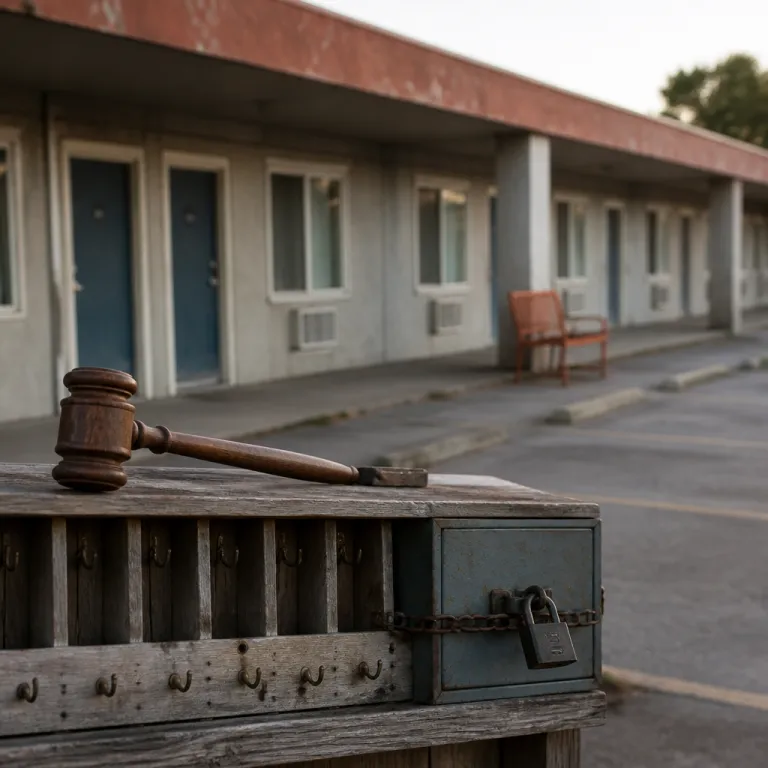
Mollyockett’s foreclosure and the reality behind motel ownership romance
The Mollyockett Motel & Swim Spa in Bryant Pond, Maine, is heading to a foreclosure auction that lays bare the real motel ownership foreclosure economics. This 20 room motor lodge on 9.62 acres along Route 26, with an indoor pool, restaurant and function room, shows how a charming roadside property can become a distressed hotel complex when cash flow falters. For travelers browsing a luxury and premium booking website for motels, this kind of area lodging story matters because it shapes which properties stay open, which close and which quietly change hands.
Tim and Frank Buck ran the Mollyockett as hands on owners for more than two decades, then sold the property to a Utah investor who treated it as a retirement project rather than a full scale lodging market business. That investor now faces foreclosure, with Keenan Auction Company, Inc. conducting a live on premises sale that will transfer the real estate, the 60 seat restaurant and the indoor pool to a new owner. The event illustrates how a single delinquent loan can cascade into a loan default, a seized lender process and finally a public auction, even when the rooms still look inviting to guests checking rates on a hotel or motel booking platform.
The auction preview is scheduled on site before the sale, and bidders are advised to arrive early for registration, review the property information package and bring valid identification. For travelers, the Mollyockett case is not just area news ; it is a reminder that the room you book tonight might sit inside a property already edging toward bankruptcy ahead. When you filter for premium hotels or a quiet room hotel near a ski area, you are also brushing up against the same foreclosure pressures reshaping hotel properties in downtown san corridors, from san francisco to san jose and beyond.
Seasonal cash flow, labor intensity and why passion projects fail
Running a 20 room motor lodge with an indoor pool in rural Maine is not a side hustle ; it is a full time operating company with unforgiving motel ownership foreclosure economics. The Mollyockett’s restaurant, function room and swim spa add revenue potential, but they also add payroll, utilities, insurance and maintenance that do not disappear when occupancy drops in mud season. Out of state investors often underestimate how many hours an owner must spend on front desk coverage, housekeeping checks, group arrivals and late night issues that never show up in a glossy hotel listing.
In coastal and mountain regions across the bay area, san francisco and san jose hotel corridors, similar small hotel properties have run into trouble when a lender tightened terms or a loan rolled over at a higher rate. Reports from the Bay Area News Group have chronicled how a single delinquent loan on a downtown oakland asset can turn into a loan default that leaves a hotel owner scrambling to refinance before a seized lender moves in. Business reporters such as George Avalos at that news group have linked these patterns to a wider real estate repricing, where older hotels in oakland downtown and downtown san districts must either reinvest heavily or risk foreclosure.
Travelers rarely see the spreadsheets behind their favorite roadside hotels, yet those numbers decide whether a property will still be open for next season’s road trip. A 20 room property like the Mollyockett must carry fixed costs for heating an indoor pool through a Maine winter, staffing a restaurant that may only fill on weekends and keeping every room hotel ready even when only a handful of guests check in midweek. For a deeper look at how these pressures are driving conversions and closures nationwide, our analysis of rapid motel to hotel conversions in the United States explains why so many aging assets are being repositioned rather than refinanced at this report on accelerating motel stock transformation.
What foreclosure means for guests, future owners and premium booking platforms
When a property like the Mollyockett heads to foreclosure, several futures are possible for both travelers and investors. A hospitality focused buyer might see a chance to revive the lodging, keep the indoor pool and restaurant open and reposition the motel as a higher end stop for business leisure guests driving between the bay and ski country. Another buyer could treat the 9.62 acre property as a pure real estate play, demolishing the existing hotel complex and replacing it with housing or mixed use space if zoning allows.
Across markets from san francisco to san jose and the wider bay area, similar foreclosure stories have produced very different outcomes for area lodging supply. Some downtown hotels have emerged from bankruptcy with refreshed rooms and stronger balance sheets, while others in downtown oakland or oakland downtown have closed entirely after bankruptcy ahead, shrinking the pool of independent hotel properties available on premium booking sites. For travelers who care about sustainability and long term stewardship, our feature on how environmental, social and governance filters are reshaping motel operations offers a useful lens on which owners are planning to stay in the game for decades at this analysis of ESG as a booking filter.
For would be buyers eyeing the Mollyockett auction, Keenan Auction Company, Inc. notes in its materials : "Arrive early for registration.," "Review auction terms beforehand.," and "Bring valid ID for participation." Those simple instructions hint at a more complex reality, where any new owner will inherit not just 20 rooms and an indoor pool, but also the full weight of motel ownership foreclosure economics in a seasonal market. Travelers comparing nightly rates should remember that the price of an 89 dollar stay often reflects thin margins, deferred maintenance and the constant risk that a lender somewhere has already started asking harder questions, a dynamic unpacked in our breakdown of nightly pricing pressures at this guide to the hidden economics of a motel night.