The physics advantage of the single story motel roof
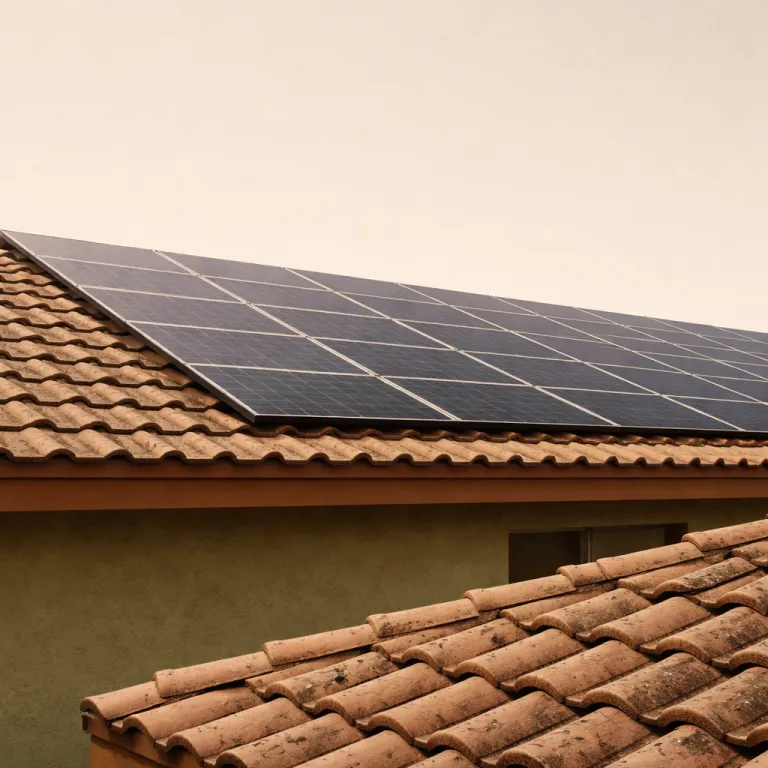
Stand in a parking lot facing a classic single story motel and you are looking at one of the most underrated shapes in sustainable hospitality. That long flat roof, running almost the full length of the façade, offers a generous canvas for solar panels that can transform basic electricity into a statement of sustainable motel solar energy efficiency. For solo travelers choosing between anonymous high rise hotels and low slung roadside stays, that roof can quietly decide how much energy consumption your night on the road really requires.
The physics are simple yet powerful ; a 20 room motel often has a higher roof to floor area ratio than a 200 room hotel tower, which means more solar energy collection per guest and more renewable power available for lighting, heating and cooling. When motel owners work with solar energy companies to install photovoltaic panels and smart energy systems, they can generate a surprising share of their electricity on site and sharply reduce electricity bills over the long term. In practice, this can turn modest energy hotels into remarkably energy efficient properties that rival far larger hotels in overall energy efficiency and sustainability performance.
Industry data from specialist providers shows that well designed solar panels typically operate in the 15 % to 22 % efficiency range, which is more than enough for a single story roof to support serious renewable energy production. In the USA, motels participating in energy hospitality initiatives report average energy cost savings approaching half of previous operational costs when they combine solar powered roofs with basic insulation and LED upgrades. For eco conscious guests, that means a stay where the environmental impact of your room night is significantly lower, without sacrificing hot water pressure, reliable Wi Fi or the quiet hum of a properly sized, energy efficient air conditioning unit.
Natural ventilation, corridors and the quiet power of less
Walk the exterior corridor of a classic roadside property and you feel one of the motel format’s most underrated assets for sustainability. Rooms open directly to the outside air, which allows natural cross ventilation and reduces reliance on sealed HVAC systems that dominate many urban hotels. For travelers who care about eco friendly stays, this simple layout can cut energy consumption while still delivering comfort and privacy.
Because many motels are single or low rise, they can orient rooms to capture prevailing breezes and morning light, which reduces the need for artificial lighting and mechanical cooling during shoulder seasons. When operators pair this with solar power from rooftop panels and basic energy systems such as smart thermostats and occupancy sensors, they create a hospitality industry micro model where energy efficiency is baked into the architecture rather than bolted on. The result is a quieter, more eco conscious experience that feels less like a machine and more like a place to actually breathe.
In destinations where temperatures swing widely between day and night, this corridor design lets guests flush heat from rooms quickly without overworking electricity hungry air conditioning units. That translates into lower operational costs for owners and a smaller environmental impact per occupied room, especially when combined with other sustainable practices such as LED lighting and low flow water fixtures. If you are planning a refined stay in a characterful roadside property, guides to premium motels and hotels for discerning travelers increasingly highlight these energy hospitality advantages alongside design and service notes.
Water, waste and small scale sustainability that actually works
Energy gets the headlines, but water is where many motels quietly excel at sustainability. A compact 20 to 40 room property can install rainwater harvesting tanks and greywater recycling systems with far less disruption than mega hotels that sprawl vertically and horizontally. For guests, that can mean showers powered by solar heated water and landscaping that stays green without draining municipal supplies.
Because the plumbing runs are shorter in most single story layouts, hot water reaches taps faster, which reduces both water waste and the energy required to heat it. When owners pair this with solar powered water heaters or hybrid systems that use both solar energy and high efficiency backup boilers, they cut operational costs while maintaining the kind of strong, reliable water pressure that road trip travelers expect. Over the long term, these water focused sustainable practices can be just as important as electricity savings in shaping a property’s overall environmental impact.
Waste management also scales more elegantly at this size ; composting food scraps from a modest breakfast room and sorting recyclables from a small number of guests is logistically simpler than managing the same systems in giant hotels. Some coastal properties now combine solar panels on their roofs with drought tolerant planting and drip irrigation, creating genuinely eco friendly grounds that still feel lush. If you are planning a coastal drive, look for guides to Monterey motel stays with coastal charm and premium comfort that call out water and energy efficiency alongside ocean views and parking convenience.
Real world retrofits: what upgrades cost and how they pay back
Across the USA, a quiet energy efficiency initiative is reshaping how independent motels think about power, water and long term viability. Rising energy costs and guest demand for sustainable stays have pushed many owners to work with solar energy companies, utility partners and government programs to retrofit their roofs with solar panels and modern energy systems. For travelers, this means more properties where the neon sign outside hides a surprisingly advanced eco infrastructure inside.
Owners who have installed roof mounted solar panels with battery storage and grid integration typically report that “They reduce energy costs and carbon emissions.” In many cases, average motel energy cost savings approach 50 % when solar powered roofs are combined with LED lighting, insulation upgrades and basic smart controls for heating and cooling. Government incentives for renewable energy adoption shorten payback periods, turning what once felt like a risky capital expense into a manageable cost that improves both sustainability and property value.
Technical advances in photovoltaic modules and inverters mean that even modest roofs can host efficient solar power arrays that feed clean electricity directly into guest rooms and back of house systems. While full LEED Platinum certification remains rare in this segment of the hospitality industry, more motels now align their upgrades with green building standards to future proof their assets. For travelers scanning new openings and renovations, curated lists of new motel arrivals with upgraded sustainable features are becoming as relevant as traditional star ratings when choosing where to stay.
How to read a listing: spotting truly efficient solar powered motels
Scroll through any premium motel booking website and the sustainability language can blur into a soft green haze. To separate genuine sustainable motel solar energy efficiency from marketing gloss, focus on specific mentions of solar power, water systems and measurable reductions in electricity bills or energy consumption. Properties that take this seriously usually explain how their panels, batteries and other systems work in plain language rather than vague eco slogans.
Look for concrete details such as the share of total electricity that comes from on site solar energy, references to renewable energy contracts with utilities and notes on energy efficient appliances or HVAC upgrades. Some of the most credible energy hotels also highlight partnerships with recognized green certification schemes, even if they have not yet reached full LEED Platinum status. When a listing explains that solar panels on a single story roof now cover most daytime power needs and have halved operational costs, you are reading the kind of transparency that signals real sustainability.
As a solo explorer, you can also read between the lines of guest reviews to gauge how eco friendly systems feel in practice. Mentions of good natural light, comfortable room temperatures without noisy units and strong water pressure alongside sustainability praise suggest that energy hospitality has been thoughtfully integrated rather than awkwardly imposed. Over the long term, motels that combine architectural simplicity, renewable energy systems and honest communication will set the standard for green hospitality in this often underestimated corner of the industry.
FAQ
How do solar panels benefit motels in practical terms ?
Solar panels on single story motel roofs generate renewable electricity that directly offsets grid power, which reduces both energy costs and carbon emissions. Because the roof area per room is high, these systems can cover a significant share of lighting, hot water and cooling loads. Guests benefit from more stable room rates over the long term as operational costs fall.
Are there incentives for motels to install solar power systems ?
Yes, various government programs offer incentives that reduce the upfront cost of installing solar panels, inverters and batteries on motel roofs. These incentives often come as tax credits, rebates or favorable financing tied to renewable energy adoption. When combined with lower electricity bills, they make solar powered upgrades financially attractive for many independent owners.
What is the typical efficiency of modern solar panels on motels ?
The typical efficiency of solar panels used on motel roofs ranges between 15 % and 22 %, depending on the technology and installation quality. Higher efficiency panels generate more solar energy from the same roof area, which is ideal for compact properties with limited space. For most motels, even mid range efficiency panels are enough to meaningfully reduce energy consumption and environmental impact.
Can small motels really compete with large hotels on sustainability ?
Small single story motels often have structural advantages that let them outperform larger hotels on energy efficiency per guest. Their expansive roofs, simpler energy systems and shorter water runs make it easier to integrate solar power, efficient hot water and natural ventilation. When owners adopt sustainable practices thoughtfully, these properties can deliver genuinely eco friendly stays without sacrificing comfort.
What should guests look for when booking an eco conscious motel stay ?
Guests should look for clear mentions of solar powered systems, renewable energy sourcing, water saving fixtures and transparent reporting on reduced operational costs or emissions. Listings that explain how energy systems work and reference recognized sustainability standards are usually more trustworthy than vague green claims. Reading recent reviews for comments on comfort, temperature control and overall hospitality can confirm whether the sustainable features perform well in real life.