The physiology of the three-hour family driving window
Most families feel an invisible shift on the road after about three hours. That is the point when kids start to fidget, the driver’s focus softens, and even the most scenic highway begins to blur into a single long road trip. Travel researchers often point out that “How far can you drive in three hours? Approximately 150 to 210 miles, depending on speed and conditions.”
For family road trip motel stop planning, that 150 to 210 mile range is more than a number ; it is the foundation for safe trip planning and a calmer stay at every stop. When you treat each segment of your trips as a self contained day, you give your family time to reset, stretch, and actually enjoy the places you pass rather than racing through them. Parents who build their trip itinerary around three-hour blocks also find it easier to schedule proper meals, short walks in a state park, and quick visits to a nearby river or lake.
Families often ask why this rhythm feels so universal during a road trip across the United States. The answer is simple ; “Why do families stop after three hours of driving? To reduce fatigue and ensure safety.” That logic applies whether you are leaving San Francisco for a national park weekend, crossing North Carolina on a coastal highway, or threading the river gorge country between national forest trailheads. When you accept that attention and patience have a natural limit, family road trips become less about endurance and more about choosing the right places to stay.
Why driving time, not distance, should anchor your motel stops
Luxury minded roadtrippers often obsess over total distance, but families benefit more from planning around time. When you design family road trip motel stop planning in three-hour slices, each day feels like a measured chapter rather than a marathon road trip. That structure lets you reserve premium motels in advance, align check in with daylight, and still leave space for unplanned stops in national parks or state park picnic areas.
Think of a long drive from San Francisco to Las Vegas with kids in the back seat. Instead of pushing through a single exhausting day on the highway, you might schedule two shorter trips, pausing at a family friendly motel near a national forest trail or a river gorge viewpoint. This approach turns a functional transfer into a two day travel experience, with time to visit small towns, sample local food, and let children park their screens while they swim or explore.
Time based trip planning also protects you from the subtle fatigue that builds after dark on unfamiliar roads. Expert guidance for premium motel stays, such as the advice in this guide to securing the right summer motel stay before peak demand, consistently recommends arriving well before evening. When you anchor each segment of your road trips to three hours of driving, you naturally reach your stay while the pool is still open, the restaurant next door is serving early dinners, and the kids remain kid friendly rather than overtired. Over multiple trips, families report that this rhythm delivers better sleep, calmer mornings, and more memorable visits to the national places they came to see.
The strategic advantage of motels for premium family stopovers
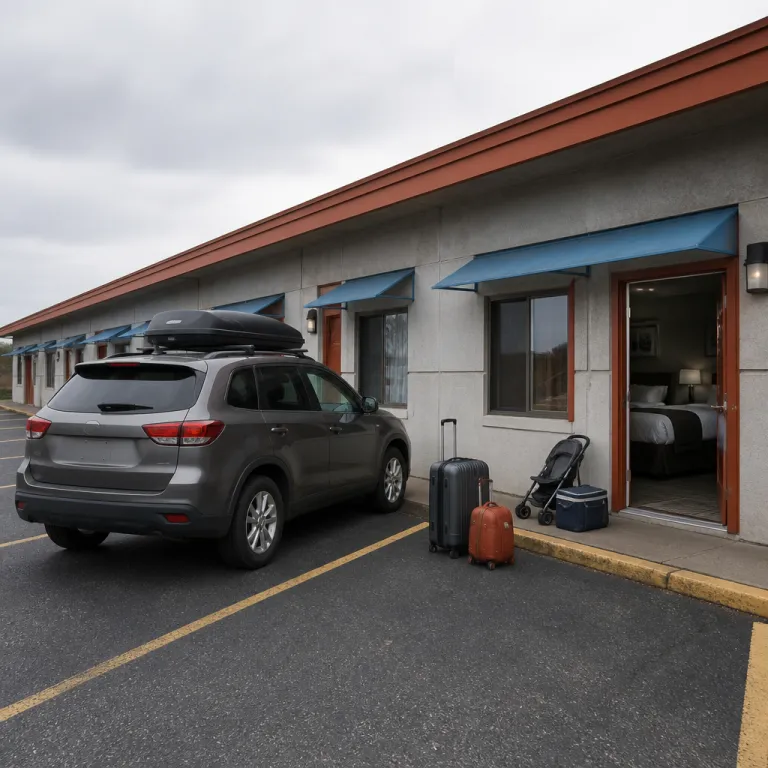
For families, the most elegant road trip luxury is not a chandeliered lobby ; it is the ability to park at your door and be inside the room in under a minute. Motels excel at this, and that proximity changes everything about family road trip motel stop planning. After three hours on the road, kids can step straight from the car to the room, while parents keep an eye on luggage, parking, and the pool without navigating elevators or crowded corridors.
On a carefully planned trip itinerary, a well chosen motel becomes the anchor of each day. The best family friendly properties offer ground floor rooms, a visible pool that children can reach without crossing a highway, and an ice machine close enough for quick refills between swims. When you are traveling through the United States on longer road trips, this layout matters in places as varied as the outskirts of New York City, the desert approaches to Las Vegas, or the coastal stretches near Carmel Sea and Key West.
Solo travelers and couples also benefit from this format, especially when they follow the same three-hour rhythm. A detailed field guide to independent friendly motels shows how direct parking access, late check in options, and clear privacy policy statements create a smoother stay for every type of guest. Whether you are pausing near a national forest trailhead, a state park campground, or a river gorge overlook, the right motel turns a simple road trip stop into a controlled, comfortable intermission. For families, that control is the real premium amenity.
What a family-optimized premium motel really looks like
When you refine family road trip motel stop planning, you start to see clear patterns in the properties that work best. A family optimized motel usually offers exterior corridors, ground floor rooms, and parking spaces aligned directly with each door, which shortens unloading time and keeps kids within sight. The pool often sits at the center of the property, visible from many rooms, so parents can watch children swim while still managing unpacking or trip planning for the next day.
Inside, the most family friendly motels balance durability with comfort rather than chasing fragile design trends. You want firm mattresses, blackout curtains for early bedtimes, and enough floor space for a travel crib or a fold out bed, especially on longer road trips across the United States. Thoughtful details such as a mini fridge for snacks, a microwave for quick meals, and a small table for games turn a simple stay into a flexible base for multi day trips through national parks or along the river systems of North Carolina and beyond.
Location remains just as important as the room itself. Look for motels positioned near a state park entrance, a national forest access road, or a safe riverside path where kids can stretch their legs before sleep. When you evaluate options, use curated guides such as this piece on using refined contact channels to secure elevated stays as a model for asking precise questions about amenities, parking, and noise. Over time, your personal data on what worked for your family will become as valuable as any travel tips app, helping you repeat the best places and avoid the properties that did not match your standards.
Mapping a multi-day drive around the three-hour rule
Turning the three-hour rule into a practical tool starts with a map, a calendar, and honest data about your family’s tolerance for the road. Begin by marking your starting point and final destination, then divide the total distance into segments of roughly 150 to 210 miles, which aligns with the guidance that “What is the 3-3-3 rule in RV travel? Drive no more than 300 miles per day, arrive by 3 p.m., and stay at least 3 nights.” For most car based family trips, that translates into two or three driving blocks per day, with a premium motel at the end of the final segment.
Next, layer in the experiences that matter to your family. If your kids love national parks, you might route a road trip from San Francisco through Yosemite and onward to a quieter national forest lodge area, staying in motels near each gateway town. Families drawn to water could design trips that follow a river gorge system, pausing at state park campgrounds for daytime visits and returning to a comfortable motel each night, which keeps the stay predictable while the day remains adventurous.
Digital tools can refine this process without replacing your judgment. Many roadtrippers rely on a dedicated travel tips app to flag kid friendly restaurants, safe highway rest areas, and motels with strong reviews and clear privacy policy language. Whether you are crossing North Carolina toward the Atlantic, looping from New York City to Key West, or tracing the Pacific near Carmel Sea, the same principle holds true. Respect the three-hour rhythm, book motels that match your family’s standards, and treat each stop as a deliberate chapter in your wider journey rather than a random pause between destinations.
FAQ
How far should a family drive before stopping for the night ?
Most families travel comfortably for about three hours, which usually equals 150 to 210 kilometres depending on speed and conditions. Beyond that point, fatigue rises for both adults and kids, and accident risk increases. For family road trip motel stop planning, treating those three hours as a natural limit keeps every stay calmer and safer.
How do I choose where to stay on a multi-day road trip ?
Start by dividing your total distance into three-hour segments, then search for family friendly motels near the end of each segment. Prioritise properties with direct parking, visible pools, and easy access to parks or riverside paths so kids can move after time in the car. Reading recent guest data and checking each property’s privacy policy and amenities list will help you filter out options that do not match your standards.
Does the three-hour rule apply to couples and solo drivers too ?
Yes, the same attention limits and fatigue patterns affect couples and solo travelers on long trips. Many drivers can push beyond three hours, but concentration and reaction times decline, especially after dark or on unfamiliar highway stretches. Planning road trips around shorter segments, with well chosen motels at each stop, leads to safer travel and more enjoyable visits to national parks, state park areas, and cities.
How can I fit national parks into a family road trip without overdriving ?
Choose one or two national parks or national forest regions as anchors, then build your trip itinerary around them using three-hour driving blocks. Stay in nearby motels rather than inside the park when possible, which often gives better value and easier parking for families. This pattern works well in the United States for routes that link places like North Carolina’s mountain parks, the desert around Las Vegas, or coastal drives between San Francisco, Carmel Sea, and Key West.
What tools help with family road trip motel stop planning ?
Mapping platforms and specialised travel tips apps can suggest motels, rest areas, and kid friendly stops along your route. Use them to cross check driving time, read reviews, and confirm details such as pool hours, breakfast options, and room layouts. Combine that digital support with your own notes from past trips, and your future planning will become faster, more accurate, and better aligned with how your family actually likes to travel.