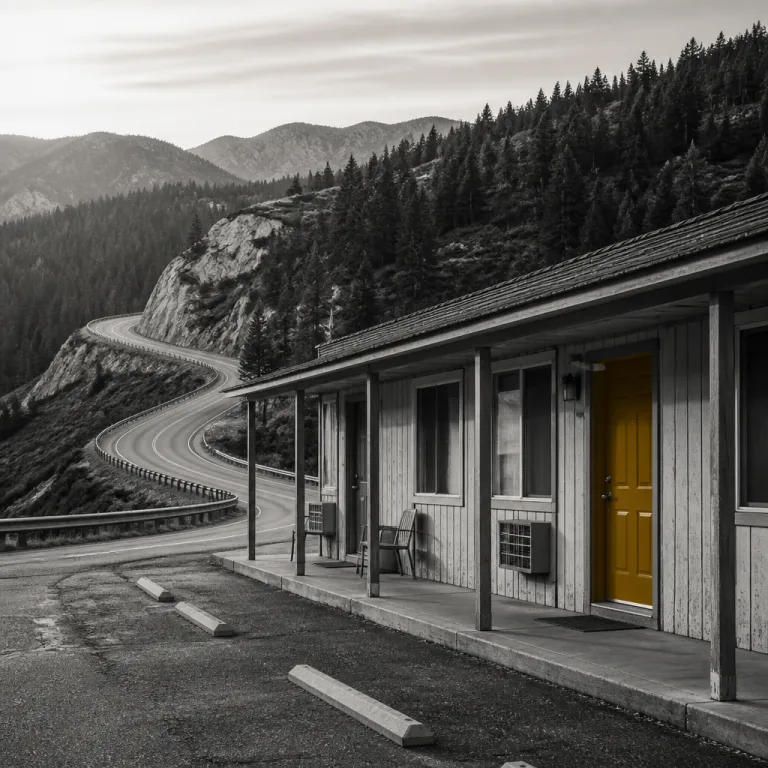
Why mountain motel stays at elevation feel different from sea level nights
Mountain motel stays along a scenic drive at elevation feel sharper, quieter, more focused than nights beside a city highway. The air is thinner, the light is cleaner, and every sound from the parking lot or the lodge corridor carries differently, which changes how families plan each stay and how they experience every day on the road. When you choose lodging at 1 500 to 3 000 metres, you trade conference rooms for trailheads, and the setting becomes the grand amenity that will shape your entire stay experience.
These motels sit where the switchbacks finally ease, often near a national park boundary, a pass summit, or a valley overlook that turns a simple drive into a true scenic byway. A typical mountain lodge might offer only twenty lodge rooms, but each room frames a different angle on the same ridgeline, so the time you spend simply watching the change time of the afternoon light can feel as rich as a guided tour. For premium family travellers, that means you evaluate rooms not only by square metres and bedding, but by which window catches sunrise over the lake or sunset over the highway cut.
Altitude also changes how you use the property across the day and night. You may arrive from a long scenic drive, feel the elevation immediately, and decide to stay overnight rather than push on to the next state line, because your body needs park time more than another two hours behind the wheel. Families who experience and enjoy these heights learn to build in one slower day location at elevation, using the lodge as a base to explore short trails, lakeside parks, or a nearby lake lodge with a hand crafted café terrace.
How to read photos and listings for high elevation motels
When you scan a listing for mountain motel stays along any scenic drive at elevation, start with the exterior photos, not the bedspread close ups. Look for which side of the building is open to the view, how far the lodge sits from the highway, and whether the parking lot is gravel or paved, because these details quietly predict noise levels, dust, and how easy it will be to unload kids and luggage. A motel that angles its lodge rooms toward the valley rather than the road usually offers a calmer stay experience, especially on busy weekends.
Window size matters more in the mountains than in town, because natural light changes fast with elevation and with each season. Large panes facing the park or the lake let you experience and enjoy sunrise and alpenglow without stepping outside, which is invaluable on a cold day when the thermometer drops quickly after 17:00. When listings mention a lodge historic renovation, check whether the lodge open dates are seasonal or year round, and whether the renovation preserved hand crafted timber details while upgrading insulation and glazing.
Interior shots should show how the rooms relate to the landscape, not just to the television. A thoughtful mountain lodge will position a small dining table or built in bench by the window, turning a simple dining room corner into a front row seat on the valley, while a less considered property leaves that same space as dead floor. For solo travellers comparing elevated motels worldwide, a detailed field guide to independent friendly properties such as this resource on motels that reward the independent traveler can help you interpret these visual cues and choose a stay overnight that feels both scenic and safe.
Key mountain corridors where motels turn the drive into the destination
Some stretches of asphalt were built for mountain motel stays, and every scenic drive at elevation along them feels like a curated itinerary. Colorado’s Independence Pass and Monarch Pass, Montana’s Beartooth Highway, and New Mexico’s Enchanted Circle all thread between national park gateways, ski areas, and high valley towns where a modest lodge can feel like a grand refuge. On these routes, the right lodging choice will decide whether your day ends with a rushed descent to a crowded center or with a quiet hour beside a lake, watching headlights trace the switchbacks you just drove.
Along the Beartooth Highway, for example, several small motels and lake lodge properties sit just below the highest viewpoints, giving families the option to stay overnight instead of racing back to a distant state city. In New Mexico, the Enchanted Circle loops through Taos and Red River, where lodge rooms often open directly onto gravel courtyards with fire pits, letting children run on flat ground while parents manage dining options from nearby taquerias and lodge dining room grills. On Colorado’s passes, some lodging clusters near trailheads that lead into a national park, so you can be staying in the park vicinity without paying a formal entry fee every time you move the car.
Desert routes show the same logic at lower elevation, and studying them sharpens your eye for mountain choices. A night by night guide to a corridor such as California’s desert motel stretch between Joshua Tree and Twentynine Palms illustrates how a simple highway can become a chain of characterful stays, each with its own park time rhythm. Apply that mindset to high passes, and you start planning your change time stops around the most atmospheric motels, not just the biggest towns.
Family focused planning for elevated motel stays
Premium families approaching mountain motel stays on a scenic drive at elevation need to think in metres, not just in miles. Children feel altitude differently, and a lodge at 2 700 metres can turn bedtime into a restless affair if you push too hard on the drive or skip hydration breaks, so plan one gentler day location before the highest pass. When you book lodging, look for properties with a strip of flat grass or a small park style play area, because that open space will matter more to kids than a formal spa.
Many mountain motels skip pools for practical reasons, replacing them with fire pits, lawn games, or simple stargazing decks that create a different kind of stay experience. Ask whether the lodge open areas include a safe corner of the parking lot where children can ride scooters, and whether any closed road nearby doubles as an informal walking lane after park time traffic fades. Families who experience and enjoy these details often remember the hand crafted s’mores kits or the impromptu telescope sessions far longer than the thread count of the rooms.
Dining logistics also change with elevation and isolation. Some properties maintain a small dining room with limited dining options, serving hearty breakfasts and early dinners so guests can stay overnight without tackling a dark highway, while others rely on a nearby lake lodge restaurant or a town center five kilometres down the valley. When you read reviews, pay attention to comments about how the motel handled bad weather or a sudden change time in road conditions, because that is when true family friendly service shows.
Seasonality, access, and the fine print of elevated lodging
Mountain motel stays along any scenic drive at elevation live and die by access, so you need to read the seasonal fine print. A lodge that feels perfectly placed in late summer might sit behind a closed road after the first major snow, even if the website still lists the property as open for year round bookings. Before you commit to a stay overnight at high elevation, cross check state transport updates and national park alerts, especially if your route threads multiple passes in a single day.
Many elevated motels operate on a hybrid calendar, keeping a core of lodge rooms open year round while closing annexes or lake side wings when demand drops. That can work in your favour, because a partly closed lodge often feels quieter and more exclusive, but it also means fewer on site dining options and reduced park time shuttles, so you must plan your meals and drives carefully. When a listing mentions a lodge historic building, verify whether the insulation and heating were modernised, since stone walls and single glazing can turn a scenic byway idyll into a chilly night if the temperature plunges.
Entry rules for nearby protected areas also shape your schedule. Some national park gateways now use timed entry fee systems that allocate specific arrival windows, which can affect when you leave the motel and how you structure each day location. A well run lodge will brief guests on these systems at check in, helping you experience and enjoy the region without wasting time in queues or missing your slot because of a surprise change time in weather.
Hidden gem mountain motels where the setting is the amenity
The most rewarding mountain motel stays on a scenic drive at elevation rarely appear on the first page of generic booking sites. They sit on quiet spurs off the main highway, beside a small lake or at the edge of a valley meadow, often run by families who treat each stay as a personal project rather than a transaction. These hidden gem properties may offer only a handful of lodge rooms, but the combination of hand crafted details and attentive hosting can rival far grander resorts.
Look for motels that act as informal trail centers, where staff can point you toward a half day loop or a secret lake lodge café instead of just handing over a photocopied map. In some regions, local tourism boards and platforms such as motel-stay.com curate these stays with the same care they apply to coastal retreats, as seen in their coverage of elegant island focused itineraries like Greece honeymoon packages for island loving couples. Apply that same expectation of curation to your mountain lodging search, and you will find places where the grand view, the quiet park time, and the thoughtful dining room menus all align.
Hidden gems also tend to be honest about their limits. They will tell you if the road beyond the lodge is a seasonal closed road, if Wi Fi is strong only in the center courtyard, or if the property is truly open year round or only from late spring to early autumn. As one regional advisory notes, “Are mountain pass motels open year-round? Many operate year-round; check specific motels.” and “Do these motels offer Wi-Fi? Most provide Wi-Fi; confirm with the motel.” and “Is advance booking necessary? Recommended, especially during peak seasons.” — guidance that matches what experienced road trippers already practice when they plan a stay experience at elevation.
Key figures that frame elevated motel travel
- Average elevation for many mountain pass motels is around 1 500 metres (about 5 000 feet), which means thinner air and cooler nights compared with lowland stays, so travellers should plan lighter first days and extra hydration.
- Check in times typically fall in the afternoon, while check out is in the morning, a pattern that encourages guests to align their scenic drive segments with daylight hours rather than risk late night mountain driving.
- Many properties in high passes now offer digital bookings through their own websites or major travel agencies, reflecting a broader shift toward online reservations even in remote lodging markets.
- Eco friendly practices, such as reduced single use plastics and energy efficient heating, are increasingly common in elevated motels, especially those partnering with local tourism boards to promote sustainable park time.
- Because weather can change quickly at elevation, regional authorities strongly advise travellers to check road and closed road updates on the same day they plan to drive a pass, not just when they first book their stay overnight.
FAQ about mountain pass motels and elevated stays
Are mountain pass motels usually open all year round ?
Many mountain pass motels operate year round, but some close when snow or a closed road makes access unreliable, so always confirm lodge open dates directly with the property before finalising your scenic drive itinerary.
Do elevated motels typically provide reliable Wi Fi for families ?
Most mountain motels now offer Wi Fi, yet signal strength can vary between rooms and common areas, so ask whether coverage is strongest in the dining room, the lobby, or specific wings before you commit to working or streaming during your stay.
Is advance booking necessary for mountain motel stays at elevation ?
Advance booking is strongly recommended, especially on popular scenic byways near a national park, because limited lodge rooms and short peak seasons mean walk in guests often face higher rates or no availability at preferred day locations.
How does elevation affect sleep and daily planning for families ?
Higher elevation can lead to lighter sleep, mild headaches, or faster fatigue, so families should schedule an easier first day, avoid very late park time activities, and use their lodge as a base for shorter excursions until everyone has adjusted.
What should I check before driving to a high pass motel with children ?
Before setting out, review state transport updates for any closed road notices, confirm your motel’s check in time, verify whether nearby parks require a timed entry fee, and pack layers for rapid temperature drops so the stay experience remains comfortable for the whole family.