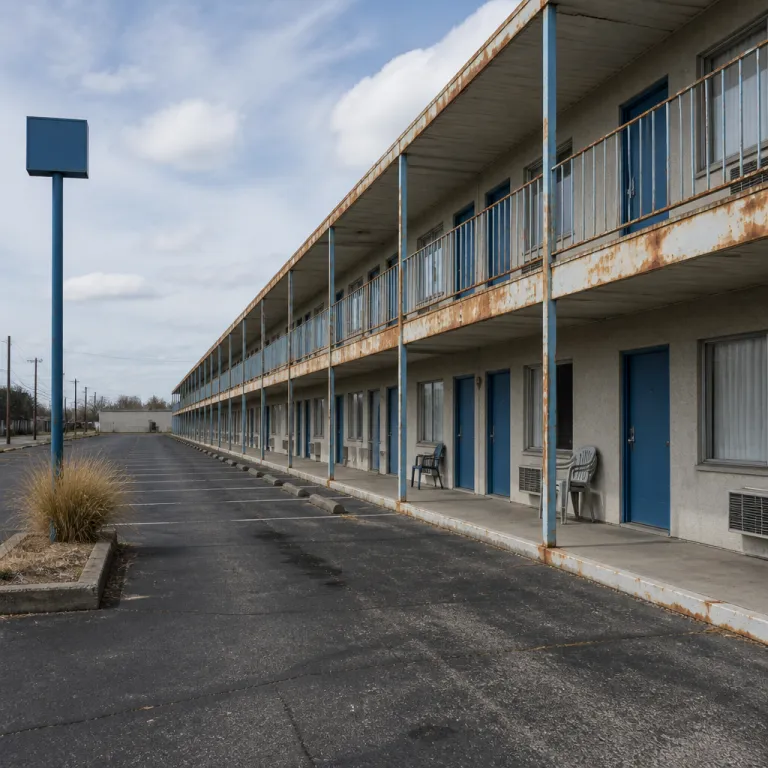
How OTA algorithms see your motel stay
On a luxury and premium booking website for motels, the debate around motel direct booking vs OTA price comparison starts with how you are ranked. When you scroll through pages of hotels on a major online travel platform, you are not seeing a neutral list of options ; you are seeing a curated line up shaped by an algorithm that rewards high commission, strong conversion and relentless availability. That matters for every direct booking you do not make, because the ota is optimised for its own revenue, not for the guest who wants the room where the neon hums quietly above a freshly sealed parking lot.
Most otas treat each hotel as a data point in a vast distribution grid, where past bookings, review volume and cancellation patterns feed a constantly updated ranking strategy. The algorithm favours hotels that pay higher commission fees, perform well in paid hotel ads and rarely turn away a booking ota request, which means the most characterful motels can slide down the list if they protect rate integrity or limit inventory. For a traveler comparing motel direct booking vs OTA price comparison, that ranking logic can quietly steer you away from the hotel direct offer that would have given you better room placement, more flexible policies and a host who actually remembers returning guests.
Independent motels, especially those with 20 to 40 rooms, often lack the marketing budget to compete in these channels, so their hotel website sits on page three while otas dominate the first screen. When guests book through a third party, the motel loses direct access guest relationships and the guest data that would normally inform tailored perks, from late check out to a specific parking spot near your EV charger. The pros cons balance shifts ; you gain the convenience of one click hotel booking, but you lose the chance to shape your stay with a direct conversation that goes beyond what any booking engine can display.
The commission math behind your room key
Every time guests book a motel through an ota, a quiet financial story unfolds behind the confirmation email. Industry analyses consistently show that OTA commission rates typically 15-25% of booking value, while the average direct booking acquisition cost for hotels hovers closer to single digits, which means a premium roadside motel can give more back to the guest when it keeps more of the rate. On a 200 dollar night at a 20 room property, that difference in commission can decide whether you arrive to a freshly resurfaced pool deck or a cracked concrete apron that has not seen investment in years.
For a small independent hotel, a 20% commission on a fully booked weekend can erase the margin that would have funded softer linens, better coffee and a night manager who actually has time to talk travel routes. When you compare motel direct booking vs OTA price comparison, the headline cost might look similar, but the long term impact on hotel distribution and service quality is not ; direct bookings keep more revenue in the property, which helps hotels increase staff training, room maintenance and thoughtful amenities. That is why many hotels quietly refine their booking strategy to nudge frequent guests toward the hotel website, where a direct booking lets them reinvest savings into the experience instead of paying a third party.
From the traveler side, understanding this commission structure helps you read price parity with more nuance and evaluate the real pros cons of each channel. If the rate on an ota matches the rate on the hotel direct offer, the motel is absorbing the commission cost and still trying to maintain standards, which is rarely sustainable over the long term. Choosing the hotel website when you can does not just support the owner ; it often unlocks small, high impact gestures such as a better room location, a quieter floor or a flexible check in window that an automated booking engine on an ota simply will not negotiate for you.
What are OTA commission rates? Typically 15-25% of booking value.
What you gain when you book direct with a motel
Call the front desk of a well run desert motel and you will feel the difference that no ota filter can replicate. The person answering has full access guest history, real time room data and the authority to shape your stay, from assigning a ground floor room near your motorcycle to holding a space by the ice machine for a late arrival. In the motel direct booking vs OTA price comparison debate, that human layer is the quiet advantage that rarely shows up in a price grid but often defines how your night actually feels.
When guests book through a hotel website or by phone, the property receives clean guest data that feeds its internal CRM rather than an opaque ota dashboard, which allows the team to remember preferences and anticipate needs on future bookings. That direct relationship can translate into unadvertised benefits such as early check in, late check out or a specific room away from the highway, especially for repeat guests who treat the motel as a regular stop on their seasonal travel circuit. For road trippers who plan their route weeks ahead, pairing direct bookings with a thoughtful itinerary, as in this guide on how experienced drivers book their route three weeks early on smart advance motel planning, can lock in both value and comfort.
There is also a digital layer to direct booking that matters more each season, especially for luxury leaning motels investing in technology. Properties that channel savings from reduced commission fees into their own booking engine, Wi Fi infrastructure and contactless check in often deliver a smoother arrival than any ota confirmation can guarantee, as explored in this analysis of what Wi Fi speed, an EV charger and a QR code check in tell you about a motel’s future on tech forward motel signals. For travelers comparing motel direct booking vs OTA price comparison, these operational upgrades are part of the real cost equation, because the channel you choose today shapes the level of investment the motel can make in your next stay.
The discovery problem for independent motels
Finding a character rich motel that does not play the ota game aggressively is often the hardest part of planning a premium road trip. Search results for hotel booking are dominated by otas and meta search engines, which means a small property with a carefully designed hotel website and a strong direct booking strategy can remain almost invisible to casual browsers. That is the paradox at the heart of motel direct booking vs OTA price comparison ; the most interesting hotels may not appear where most guests start their search.
Independent motel owners face a structural marketing challenge, because they must choose between paying high commission to climb ota rankings or investing in their own channels and hoping travelers will dig beyond the first page. Many use a hybrid hotel distribution approach, keeping a limited number of rooms on each channel while protecting some inventory for direct bookings, which lets them manage cost while still capturing demand from online travel platforms. For guests, understanding this pattern explains why a motel might show as sold out on an ota while still offering rooms on the hotel direct site, especially during shoulder seasons when savvy travelers chase September rates with July quality, as outlined in this piece on smart shoulder season motel strategy.
There is also a behavioural layer to the discovery problem that affects how guests book and how hotels increase visibility. Many travelers use otas as a research channel, reading reviews and comparing locations, then shift to hotel direct once they have chosen a property, which can help hotels balance exposure and commission. This pattern respects the pros cons of each channel ; the ota provides breadth and aggregated data, while the hotel website delivers depth, accurate room descriptions and the chance to speak with someone who actually walks the property each day.
How your choice shapes the future of motel hospitality
The way you book a motel night is not a neutral act ; it is a vote for the kind of roadside hospitality you want to find on your next trip. When a critical mass of guests book through otas, the distribution power tilts toward third party platforms whose primary KPI is commission, not the long term character of independent hotels. That pressure can push owners to standardise rooms, cut staff and lean on automated messaging instead of the kind of attentive guest interaction that makes a modest property feel quietly luxurious.
By contrast, a healthy mix of direct bookings and selective ota exposure can help hotels maintain control over their brand, rate strategy and investment priorities. When more revenue flows through the hotel website and its own booking engine, owners can allocate budget to tangible upgrades such as better mattresses, improved soundproofing and thoughtful lighting in parking areas, all of which matter more to a tired driver than another generic loyalty badge. This is where motel direct booking vs OTA price comparison becomes a question of values rather than just cost, because the savings from reduced commission fees can either disappear into a platform’s balance sheet or be reinvested in the exact details that shape your stay.
For travelers who care about both comfort and character, a simple habit shift can make a measurable difference over time. Use otas and other online travel tools for broad research, then check the hotel direct rate, call the front desk and ask what they can do for repeat guests who book without a third party, which often leads to better flexibility even when the price is similar. As one industry summary puts it succinctly, Why choose direct booking over OTA? Higher revenue retention and guest data ownership, and that ownership is what allows a motel to remember that you prefer the room at the far end of the corridor where the only sound at night is the distant hum of the highway.
How to compare prices and value like an insider
When you weigh motel direct booking vs OTA price comparison, start by separating rate from value. Look at the base cost on the ota, then check the hotel website for the same dates and room type, paying attention to cancellation terms, parking fees and whether breakfast or late check out is included. A small difference in nightly rate can be offset by more generous policies or on property perks that only appear when you book direct.
Next, consider how each channel handles changes, because flexibility is part of the real price of any stay. An ota may offer free cancellation up to a certain date, but once you arrive, only the motel can adjust your plans, extend your stay or move you to a quieter room, which is far easier when your reservation is a direct booking in their system rather than a third party voucher. For frequent travelers, building a pattern of direct bookings with the same hotels can increase informal recognition and goodwill, which often matters more than any formal loyalty programme when you need a last minute room on a fully booked night.
Finally, think about your own travel style and how much you value a direct relationship with the places you stay. If you prize speed above all, an ota app may feel efficient, but if you care about tailored recommendations, nuanced room selection and a sense of being known, the hotel direct route will usually serve you better over the long term. In practice, the most resilient booking strategy blends channels ; use otas for broad discovery, then let the motel’s own booking engine and front desk refine the details, so your bookings support the kind of independent hospitality you want waiting at the next exit.
FAQ
Are prices always cheaper when I book a motel directly ?
Prices are not always lower when you use hotel direct channels, but the overall value often is. Many motels maintain rate parity with otas while quietly adding benefits such as flexible check in, better room allocation or parking preferences for direct bookings. Comparing the hotel website with the ota listing and then calling the property can reveal extras that do not appear in automated grids.
Why do some motels show as sold out on OTAs but have rooms on their website ?
Motels often manage inventory differently across channels to control commission cost and maintain flexibility. A property might close availability on an ota once it reaches a certain occupancy level but still keep a few rooms for direct booking through its own website or phone line. This approach helps hotels increase revenue quality by reducing dependence on third party distribution when demand is strong.
Is it risky to book a small independent motel directly instead of through an OTA ?
For reputable properties, booking direct is generally no more risky than using an ota and can be safer in terms of communication. When you book through the hotel website or by phone, your reservation details sit directly in the motel’s system, which reduces the chance of miscommunication between platforms. You also have a clear point of contact if plans change, rather than navigating a third party support queue.
How can I support independent motels without overpaying ?
A practical approach is to use otas for research, then check the motel’s own site and call to ask whether they can match the public rate. Many owners are happy to align with the ota price while saving on commission, especially for repeat guests. This way, your bookings help hotels invest in service and maintenance without costing you extra.
Do OTAs ever offer better protection or benefits than booking direct ?
Large otas sometimes bundle benefits such as multi property customer service, loyalty points or flexible cancellation across different hotels. These can be useful for complex itineraries or when you stay mostly at large chains. For distinctive motels where the relationship with the owner matters, direct booking usually offers more tailored support and clearer accountability if something goes wrong.