Historic Motels, Modern Stays: How Motor Lodges Earn and Use National Register Status
How a modest motor lodge becomes a national historic asset
When a roadside motor lodge joins the National Register of Historic Places, it shifts from simple stopover to nationally recognized cultural asset. The listing is managed by the National Park Service, which treats each motel as part of a wider story of travel in America and of how hotels and inns shaped mobility. For travelers browsing luxury motels on a premium booking website, that new status signals a property where preservation is intentional rather than accidental.
The process is structured yet surprisingly accessible for owners of hotels in active operation. Research teams and owners work with the State Historic Preservation Office to document why a specific hotel is historic, using National Register Bulletins, digital archives and local records to prove significance. The nomination then moves through a review timeline that typically runs several months to a year before the motor lodge is officially added to the National Register of Historic Places.
Once listed, the motel joins a nationwide roster of more than one hundred thousand properties already recognized as historic places across the United States; the National Park Service reports that the register now includes well over 95,000 listings representing more than 1.8 million individual resources. That scale matters for travelers, because it means you can now filter hotels across America by this status and treat them as a curated collection of historic hotels rather than isolated curiosities. For anyone planning a road trip across America, a chain of such hotels worldwide in spirit, from a mid century motor court near a beach to an art deco inn in a dense historic district, becomes a romantic itinerary rather than a random sequence of overnight stops. Well known examples include the Wigwam Motel in Holbrook, Arizona, with its concrete teepee rooms along Route 66, and the neon crowned Blue Swallow Motel in Tucumcari, New Mexico, both listed on the National Register and frequently used as anchors for heritage focused road trips.
Recognition, not handcuffs: what listing really controls
Many travelers assume that a motel on the national register is frozen in amber, but the reality is more flexible. The official guidance is clear and worth quoting in full for anyone weighing a stay or an investment: "Does listing restrict property changes?" and the answer is "No, unless federal funding is involved." That single sentence shapes how owners of hotels historic in character can still evolve their properties while keeping the historic preservation framework intact.
In practice, listing is recognition rather than regulation for most hotels in private hands. Owners can repaint, reconfigure rooms or upgrade systems without asking the National Park Service for permission, as long as they are not using federal money tied to preservation standards. Where the rules tighten is when an owner wants to claim the federal historic tax credit, because that incentive requires the work to respect the preservation guidelines that define what makes a hotel historic or a broader national historic district coherent.
For guests choosing between hotels worldwide on a booking platform, this nuance has real consequences. A motor lodge that has embraced trusted historic standards will usually retain its neon sign, roofline and original materials, while still offering a resort spa level of comfort inside the rooms. That balance is what separates a generic hotel in Miami or Los Angeles from a historic hotel that feels rooted in its place, whether it sits near a beach, a downtown plaza or a quiet avenue in San Antonio or San Diego.
Tax credits, hard numbers and why owners suddenly care
Money is the quiet engine behind many motel national register historic preservation success stories. When a motor lodge is listed as a national historic property, its owner may qualify for a federal historic tax credit equal to twenty percent of eligible rehabilitation costs. For a small twenty three key property, that can mean hundreds of thousands of dollars in support for work that keeps the hotel historic while upgrading it to premium standards.
The National Park Service reports that billions of dollars in federal preservation tax credits have already been leveraged across hotels across America and across other building types. Those credits are only available when the rehabilitation follows strict historic preservation standards, which is why owners suddenly care about whether their motel’s art deco canopy, mid century breeze block or beaux arts inspired plaza façade counts as a character defining feature. The National Trust for Historic Preservation and local State Historic Preservation Offices often act as partners, helping owners interpret what the register historic language means in practice for their specific inn or resort.
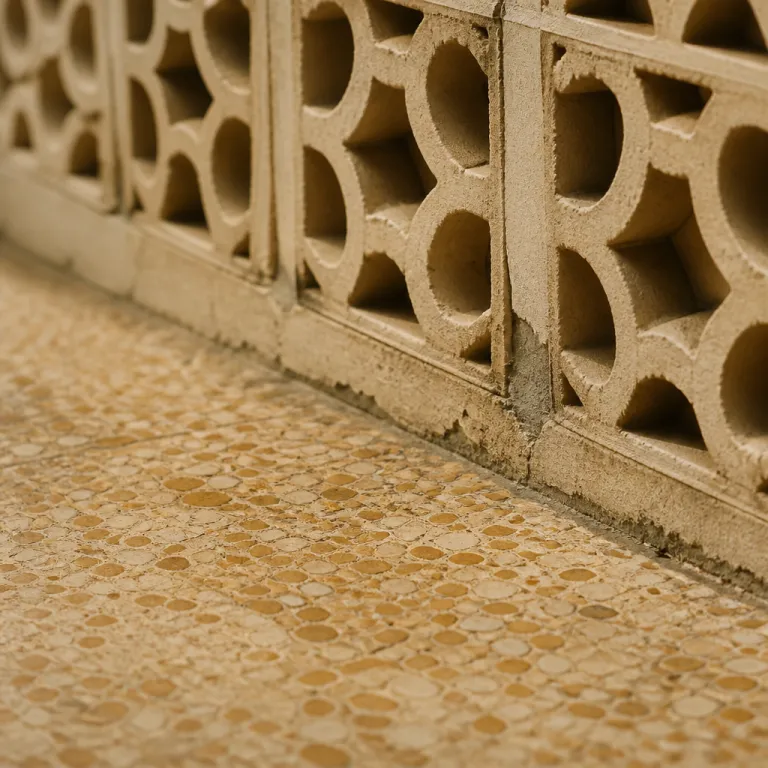
Travelers feel the impact of those numbers every time they check into a restored motor lodge where terrazzo floors, kidney shaped pools and neon scripts have been carefully retained. If you want to understand how these details separate great motel renovations from gut jobs, a deep dive into preservation focused renovation guides and case studies from organizations such as the National Park Service, State Historic Preservation Offices or the National Trust for Historic Preservation is invaluable. For people comparing hotels worldwide on a luxury booking site, the presence of a national register listing and a clear preservation strategy often signals that the nightly rate is funding both comfort and cultural continuity.
What must stay, what can change in a historic motel
Once a motor lodge is on the national register, every renovation plan starts with a simple question: what tells the story. Preservation standards focus on character defining features, which for hotels historic in the motor court tradition often means the neon sign, the roofline, the parking layout and the original exterior materials. Interiors can be more flexible, which is why you now find resort spa level bathrooms and plush beds inside rooms that still open directly to the parking lot with a cinematic view of the highway.
A carefully managed motel national register historic preservation project offers a textbook example of how this can work in practice. Owners retain the mid century profile, the original sign and the courtyard configuration while completely modernizing plumbing, HVAC and interior finishes to meet contemporary expectations for luxury hotels. That approach mirrors adaptive reuse projects documented by the National Trust, where historic hotels across America have been transformed into high end inns, resort spa complexes or urban retreats without losing their status as a historic landmark or their membership in programs such as Historic Hotels of America.
For guests, the result is a layered experience rather than a museum stay. You might soak in a spa tub that rivals anything at a Hilton, Omni or Fairmont resort while stepping out onto a balcony that still carries the proportions of a mid century motel balcony in Miami or a low slung corridor in Los Angeles. When you book through a premium platform, look for language about national historic status, national trust partnerships and membership in historic hotels programs, because those signals usually mean the property has navigated the register historic rules with both respect and creativity.
How travelers can read the fine print of preservation
For road trip travelers, the practical question is simple: how do you use all this preservation jargon to book better stays. Start by scanning listings for phrases such as National Register of Historic Places, national historic landmark or affiliation with Historic Hotels of America, because these markers show that the hotel or inn has passed a preservation threshold. Then look at photos with a critical eye, checking whether the art deco lines, mid century details or beaux arts flourishes are intact or whether the motel has been stripped to generic drywall.
There is also a financial angle that benefits guests who understand how preservation incentives work. Properties that have successfully used the twenty percent federal historic tax credit often highlight their rehabilitation story, because it reassures travelers that the renovation was not a quick cosmetic flip but a carefully reviewed project in line with motel national register historic preservation standards. When you see references to the State Historic Preservation Office, the National Park Service or the National Trust in a listing, you are usually looking at a hotel historic enough to justify the paperwork and serious enough to maintain its status.
Finally, turn that knowledge into a simple booking checklist: confirm that the property is listed or eligible for the National Register of Historic Places, scan photos for intact period features such as neon signs, original masonry or mid century pool layouts, read recent reviews for comments on both comfort and character, and note any mention of preservation partners or tax credit funded rehabilitation. Pair that with destination specific planning, such as building a heritage focused itinerary around a historic district or cathedral basilica wedding venue linked with nearby historic hotels, and you start to see how preservation, romance and smart booking strategies intersect.
Balancing heritage with comfort, access and modern expectations
Staying in a motor lodge on the national register is not just about nostalgia, because modern expectations are non negotiable for most travelers. Owners must reconcile historic preservation standards with accessibility requirements, energy efficiency targets and the invisible infrastructure of WiFi, security and climate control. The best historic hotels manage this balance so that you feel the age of the building in the corridor but not in the shower pressure or the air conditioning.
Accessibility is often the hardest puzzle in older hotels and inns, especially in dense historic district settings where ramps, lifts and wider doors can alter façades. Preservation guidelines allow thoughtful interventions that respect the historic landmark character while meeting legal obligations, which is why you will sometimes see discreet new wings or carefully inserted elevators at resort spa properties that began life as modest motor courts. Energy upgrades follow a similar logic, with new windows, insulation and efficient systems tucked behind original materials so that the national historic appearance remains intact even as the building’s performance reaches contemporary standards.
For travelers, the key is to read reviews with an eye for how well this balance has been struck. When guests praise both the intact mid century neon and the quiet, cool rooms, you are probably looking at a motel national register historic preservation project that has used incentives and guidance from the National Park Service, the State Historic Preservation Office and the National Trust wisely. That is the sweet spot where a humble motor lodge becomes part of a worldwide conversation about how hotels historic in every sense can still feel like the most comfortable place on the road.
FAQ
Does listing on the National Register of Historic Places restrict motel renovations
Listing on the National Register of Historic Places does not automatically restrict changes to a privately owned motel. Restrictions only apply when federal funding or federal permits are involved, or when the owner chooses to use the federal historic tax credit and must follow preservation standards. Owners can still modernize interiors, systems and many finishes while keeping the character defining historic features that earned the listing.
What financial incentives are available for historic motel rehabilitation
The primary federal incentive for rehabilitating a historic motel is a twenty percent income tax credit on qualified rehabilitation expenses. To qualify, the property must be income producing, listed on or eligible for the National Register of Historic Places and the work must meet preservation standards reviewed by the National Park Service and the State Historic Preservation Office. Some states and cities also offer additional tax credits or grants that can be layered on top of the federal program.
How long does it take for a motor lodge to be listed on the National Register
The listing process for a motor lodge typically takes several months to about a year from the initial nomination to final approval. The timeline includes research, preparation of documentation, review by the State Historic Preservation Office and evaluation by the National Park Service. Complex properties or nominations that require more historical research can take longer, especially if revisions are needed.
How can travelers identify genuinely historic hotels when booking online
Travelers can look for explicit references to the National Register of Historic Places, national historic landmark status or membership in programs such as Historic Hotels of America in the property description. Photos that show intact mid century, art deco or beaux arts features, along with mentions of collaboration with the National Trust or a State Historic Preservation Office, are strong indicators of authentic preservation. Reviews that highlight both historic character and modern comfort also help confirm that the hotel is more than a themed renovation.
Are guided tours or educational experiences common at historic motels
Some historic motels offer guided tours, heritage talks or printed materials that explain the property’s history and its role in regional travel patterns. These experiences are more common at motels that are part of larger historic districts or that have strong partnerships with local preservation organizations. Travelers interested in such activities should check the motel’s website in advance or contact the front desk to ask about tours and nearby historic sites.